
Hubs and Initiatives
Initiatives
Ecosystem

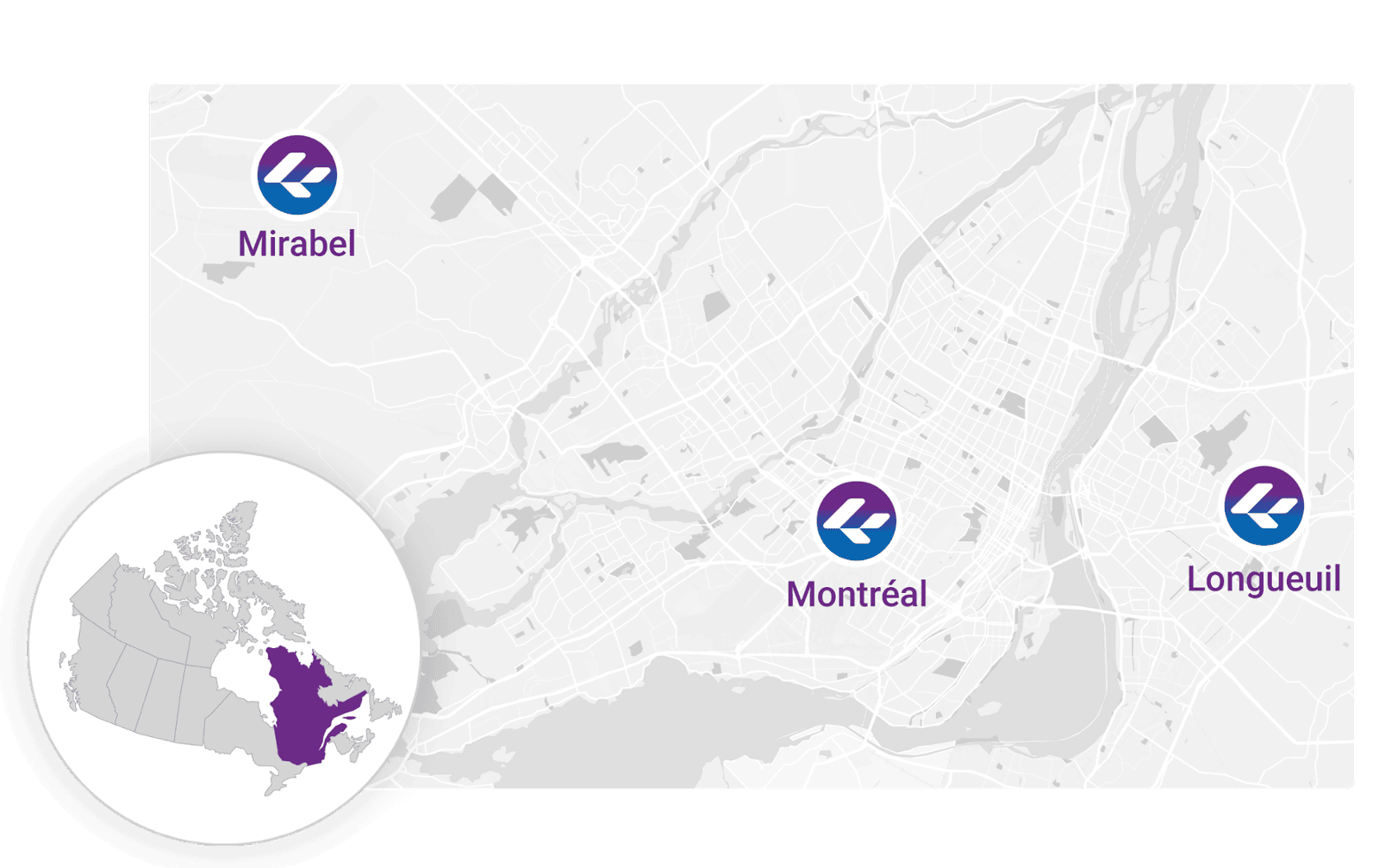
Espace Aéro is built around three strategic hubs: Montréal, Longueuil, and Mirabel.
Each plays a distinct and complementary role in accelerating innovation, structuring the ecosystem, and supporting the development of Québec’s aerospace industry. Together, they cover the full value chain, from research to industrialization and experimentation.
Each hub has its own area of expertise, where strategic and structuring projects related to autonomy and decarbonization will be developed, positioning these territories as aerospace innovation hubs of international caliber. Each hub brings together industry, institutional, and academic stakeholders.
Projects and initiatives are deployed in collaboration with the local ecosystem, which is organized into an advisory committee.
Each of the three hubs is represented by an advisory committee led by the Espace Aéro team.
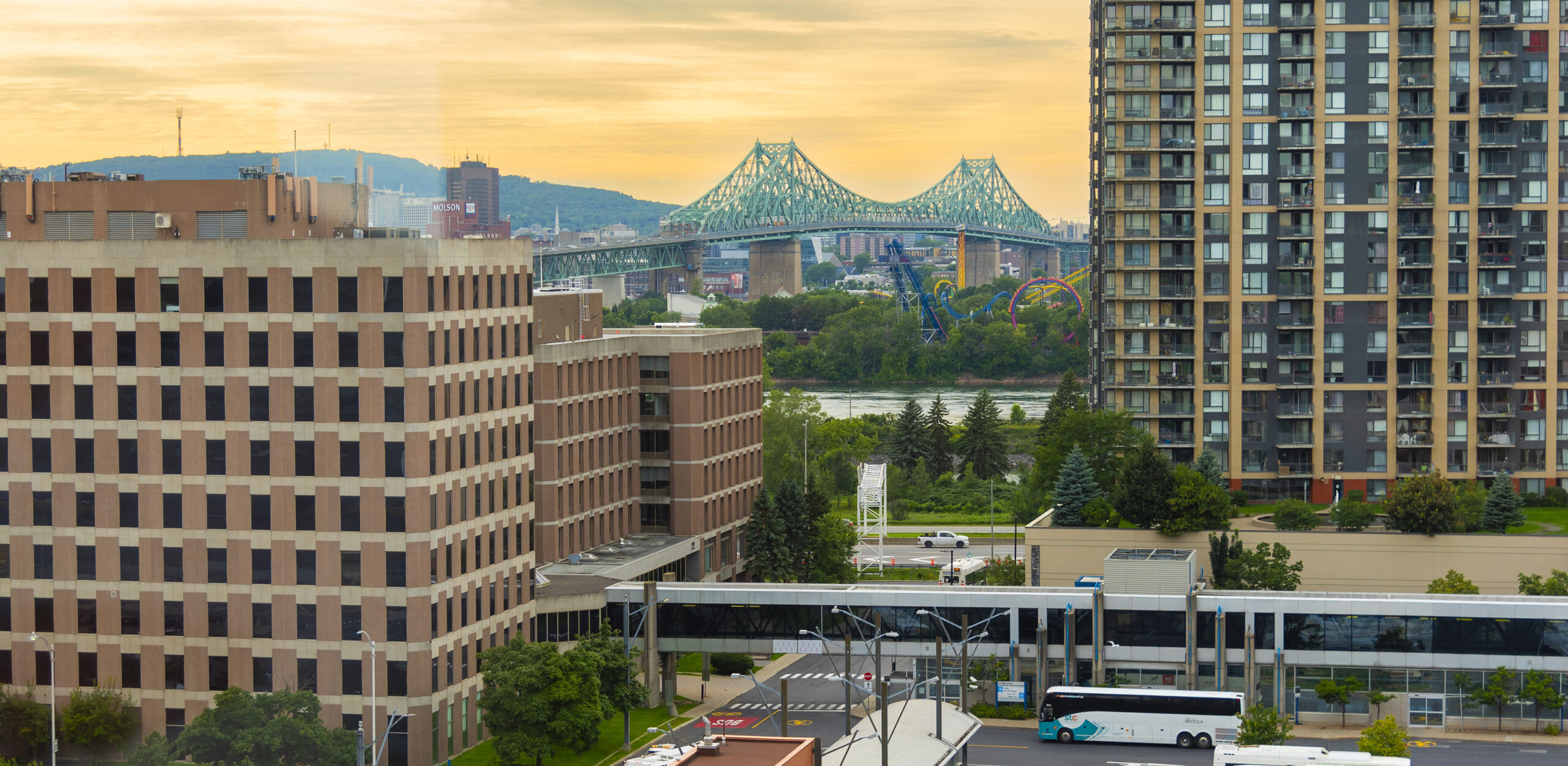
The Longueuil hub is dedicated to the practical implementation of innovation, with a focus on industrialization, training, and certification. The projects developed there primarily address decarbonization.
Here are the main components of the Longueuil hub:




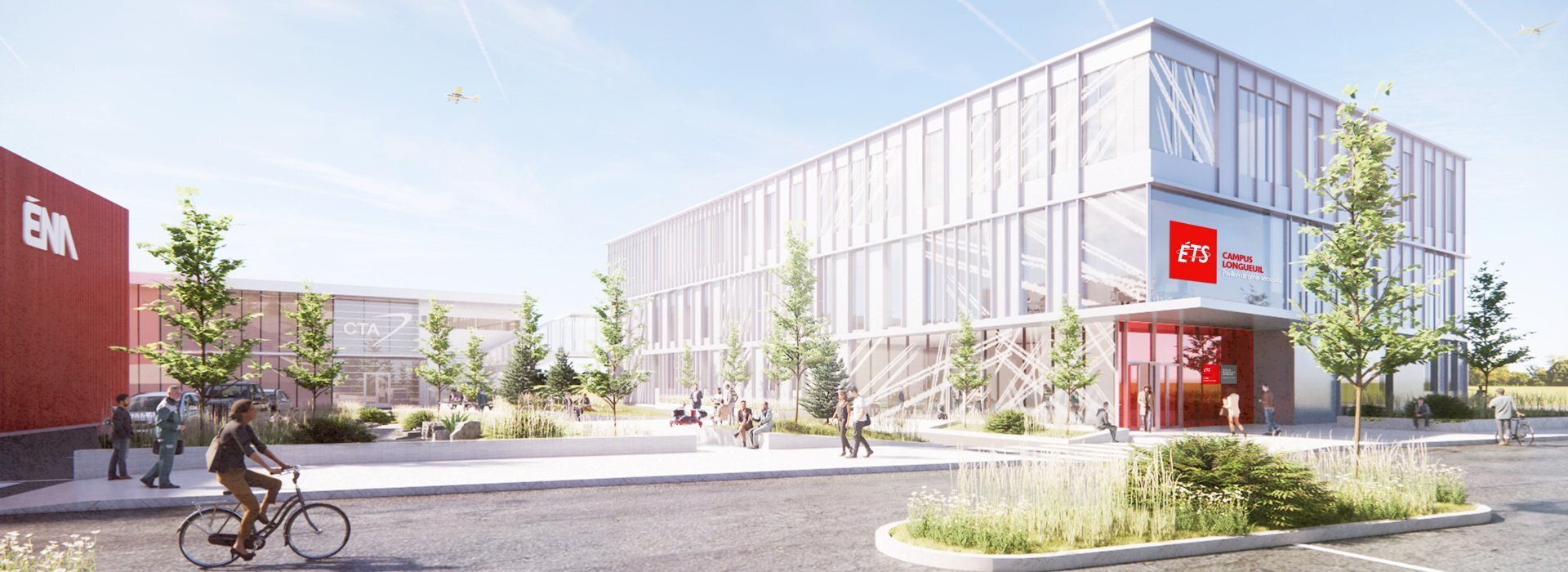
The objective of AéroCampus, whose construction will be completed in 2029, is to create a structuring and stimulating ecosystem where training, research, and innovation come together to accelerate advancements in the aerospace sector in Québec, Canada, and beyond.
The Mirabel hub’s activities focus on experimentation and new mobility, enabling the testing and validation of future technologies. The projects developed there address both decarbonization and autonomy.






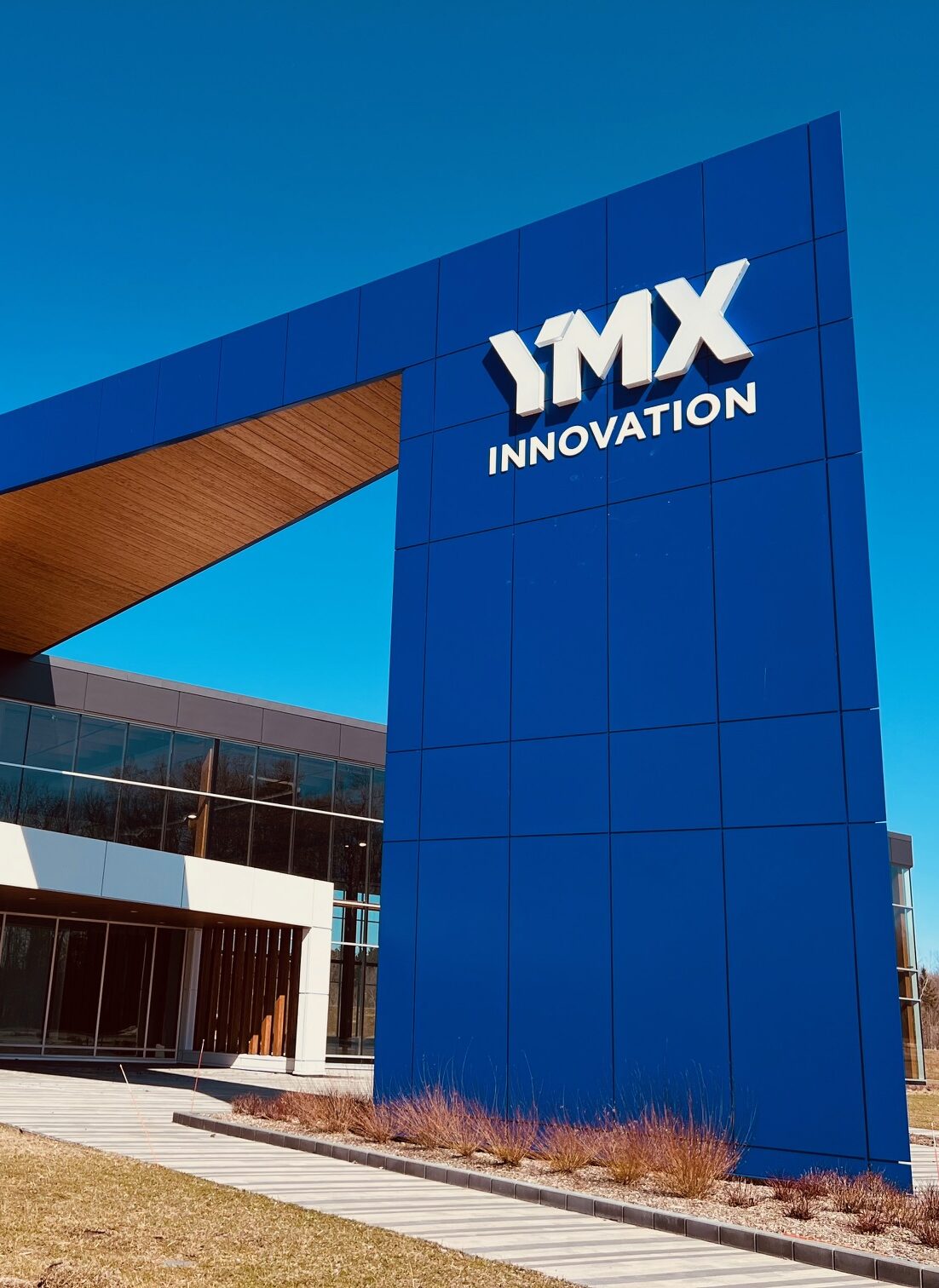
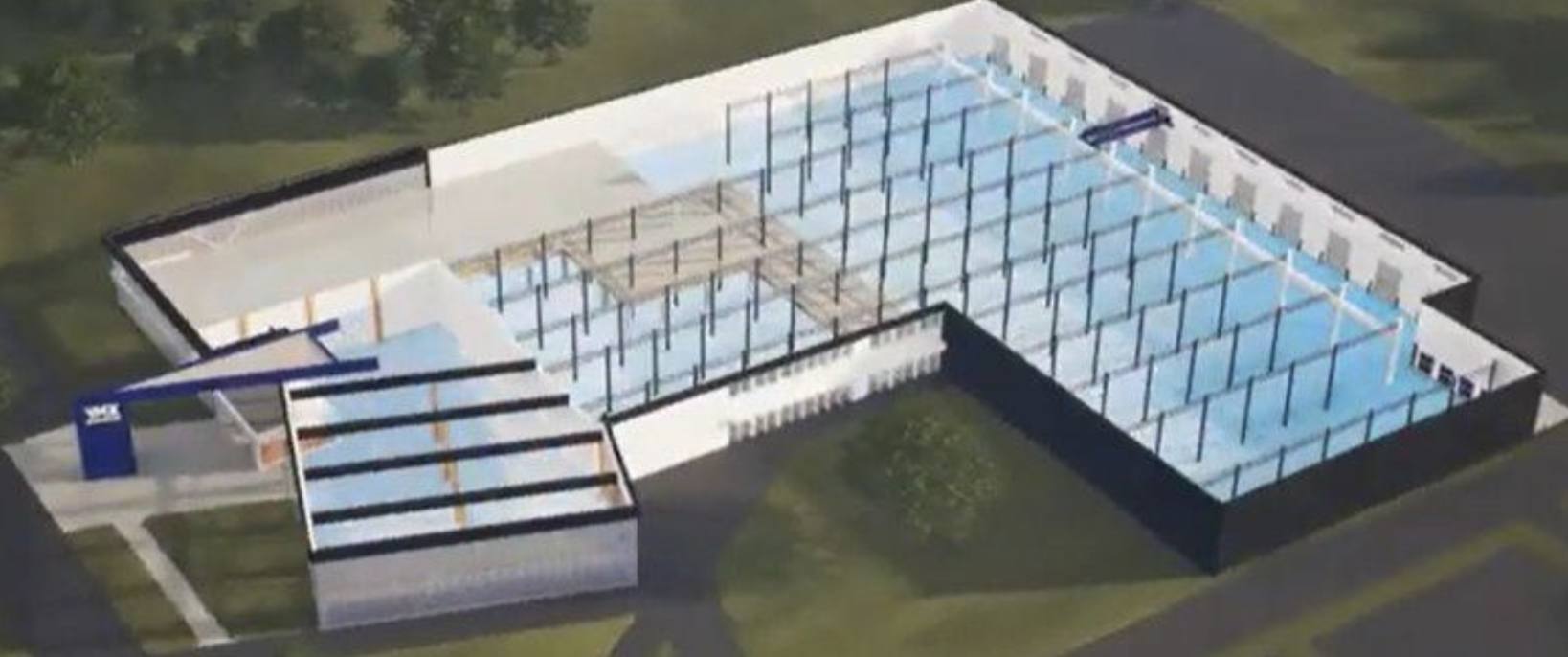
Owned and overseen by Aéroports de Montréal (ADM), the YMX Innovation Centre is located at the heart of the YMX International Aerocity. It is a key component of the Mirabel hub and will serve as a major laboratory for the future of air transport.
The YMX Innovation Centre provides a collaborative space where manufacturers, institutional and government partners, universities and training institutions, researchers, and students can work together.
The YMX Innovation Centre is active in four civil and defense sectors, with the ambition of creating a comprehensive innovation hub and community that will shape the future of the Espace Aéro innovation zone:
Foster collaboration among industry players, research and training institutions, government entities, and academic organizations. The facility will offer collaborative environments as well as ITAR-compliant / controlled goods conditions, depending on project needs.
Provide partners with flexible conditions enabling the deployment of modular R&D projects, short- or long-term, in an environment that includes shared equipment and access to expertise in industrial innovation

The Montréal hub is the heart of research and collaborative innovation, where talent, expertise, and structuring projects converge. The projects developed there address both decarbonization and autonomy.




The CCIAM is a world-class research and innovation infrastructure project, a next-generation collaboration centre designed with sustainability in mind.
Scheduled to open in 2028, the centre will foster collaboration on large-scale aeronautical projects, particularly in the areas of sustainable fuels, decarbonization, and advanced materials.
The CCIAM will consist of complementary university laboratories focused on synergy, bringing together the largest number of master’s and doctoral students in aerospace in Canada.
A true experimentation centre for advanced manufacturing and robotics, the CCIAM will also feature a state-of-the-art indoor and outdoor drone flight testing centre to advance research and development of autonomous aerial vehicles.
To learn more about the CCIAM, contact our Espace Aéro team